01
The problem
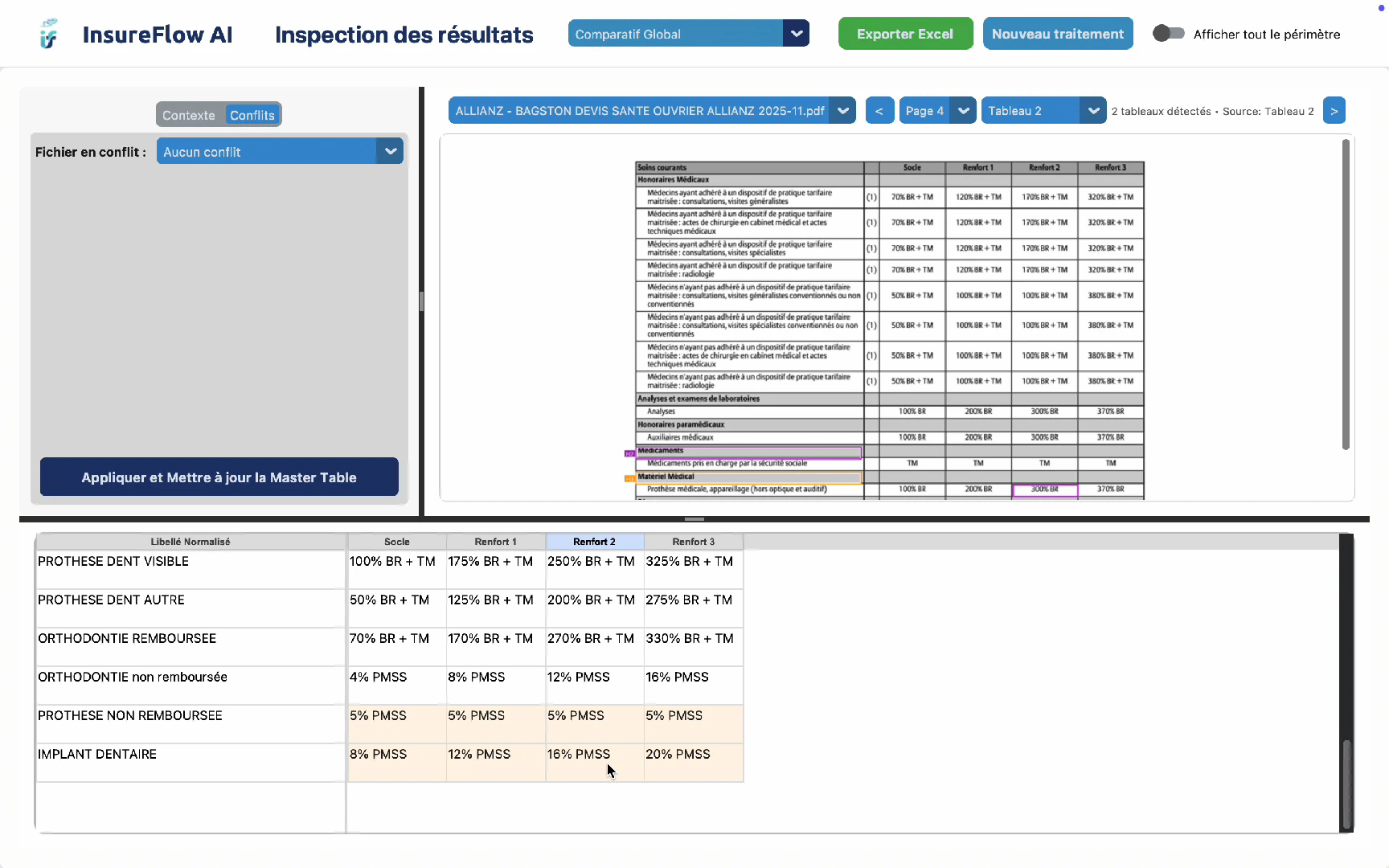
Automatically produce usable vehicle cutouts from client images. The generic model clipped some mirrors, lost fine contours or retained unwanted vehicles. These defects needed to be addressed within a reproducible pipeline from annotation to inference.
02
My role
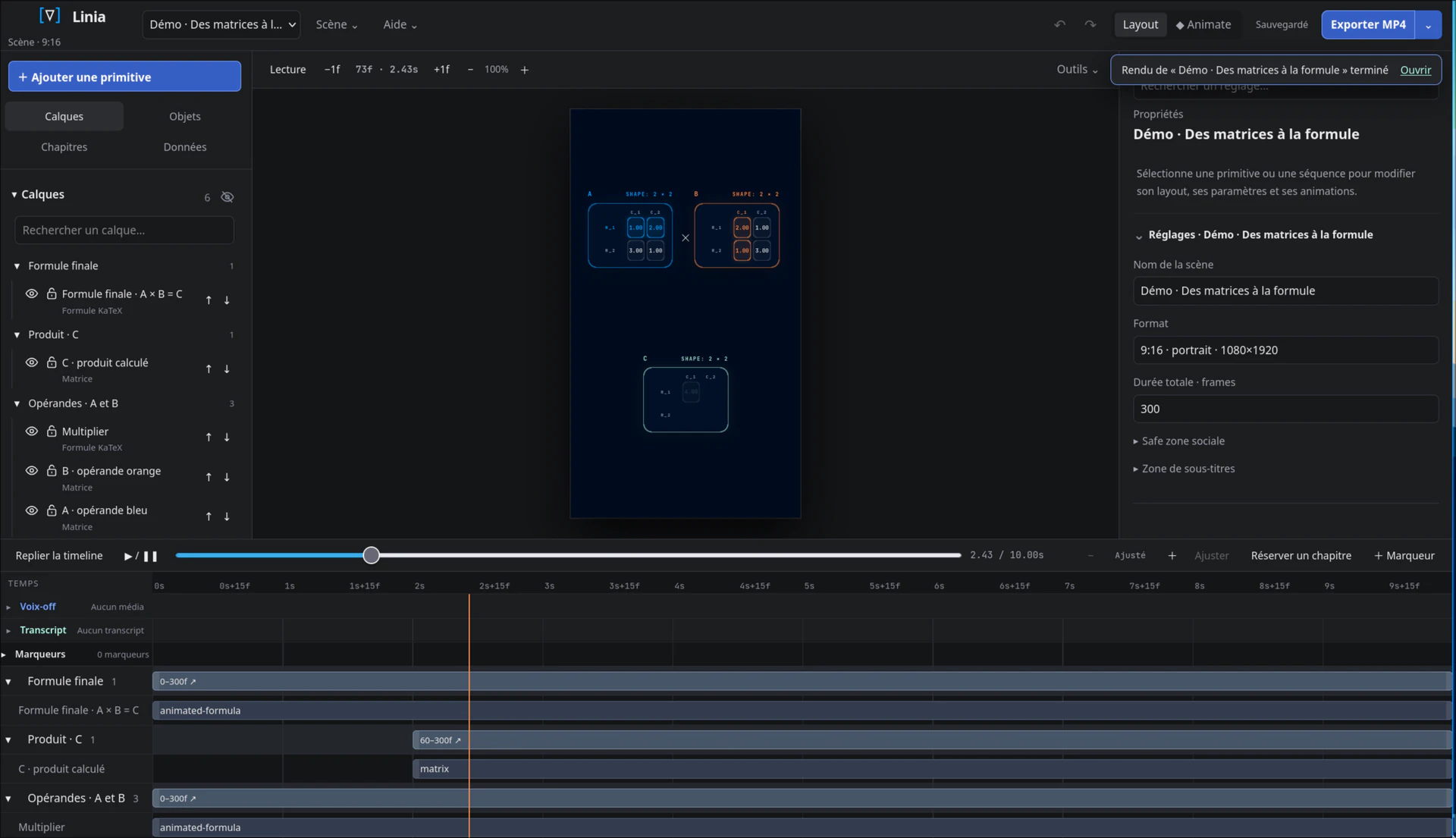
I set up annotation, prepared and materialized the dataset, fine-tuned BiRefNet and organized artifact storage and inference services.
03
Constraints
- Preserve fine contours and mirrors across varying camera angles.
- Isolate the target vehicle when other vehicles appear in the image.
- Retain images, annotations and artifacts to reproduce pipeline steps.
- Run annotation, storage and inference services in a shared environment.
04
Architecture & pipeline
- Annotate target vehicles in Label Studio.
- Prepare and materialize training images and masks.
- Fine-tune BiRefNet on client data and compare cutouts with the base model.
- Store data and artifacts in MinIO, then run services through to inference using Docker Compose.
05
Decisions & iterations
I adapted BiRefNet to client images to address the generic model’s contour defects and unwanted vehicles.
Label Studio produces annotation masks; MinIO centralizes data and artifacts reused for training and inference.
Docker Compose specifies services and dependencies to reproduce the processing environment.
Visual comparison identifies defects relevant to the use case. The percentages below are visual observations, not IoU measurements.
Base model / adapted model
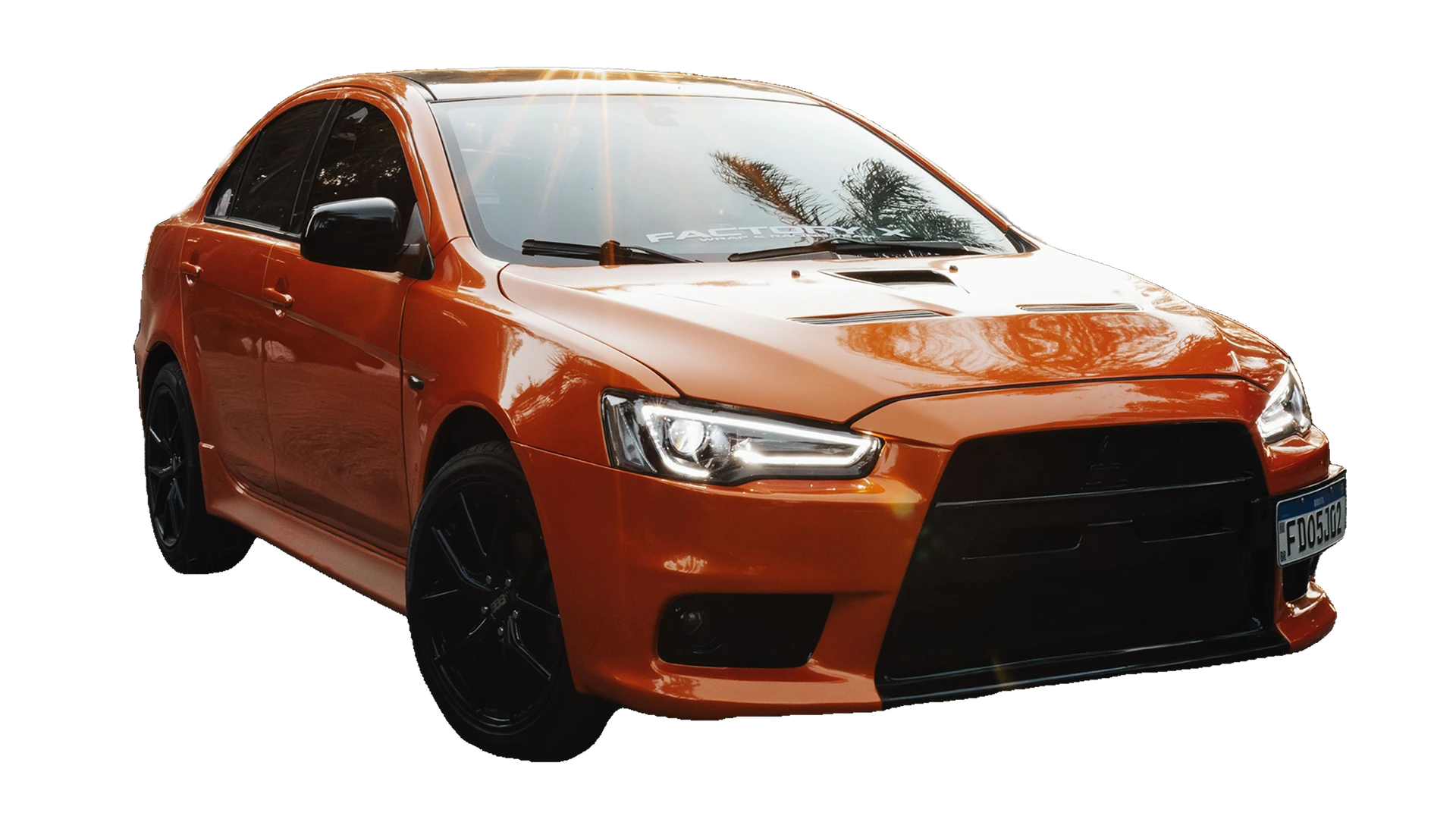
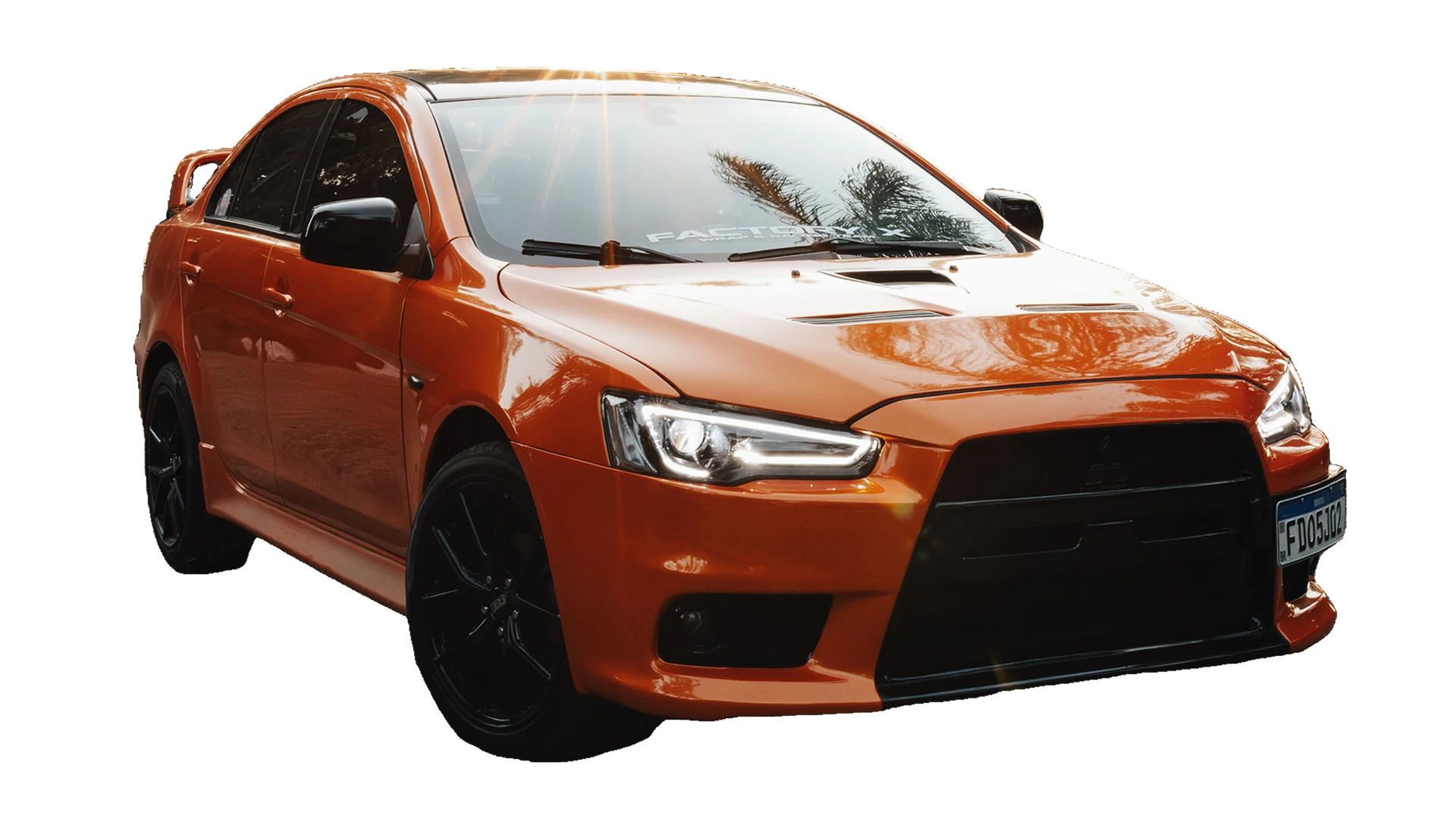 Fine-tuned BiRefNetBase BiRefNet
Visually observed defects: clipped mirrors, unwanted vehicles and incomplete contours.
Visually observed defects after adaptation, mostly minor or on difficult cases.
Approximate observations from visual evaluation; remaining defects vary in severity.
06
Results & limitations
The pipeline covers annotation, dataset preparation and materialization, fine-tuning, artifact storage and inference.
Visually observed defects dropped from roughly 50% before adaptation to below 25% after fine-tuning. These estimates are not a standardized segmentation score.
Defects remain on fine contours and difficult cases; their severity varies by image.
07
Next iterations
Continue analyzing difficult cases and fine details, then enrich annotations to target remaining defects.